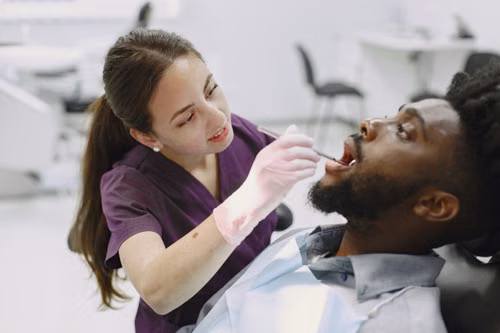
A toothache is a unique little bugger that shows up at the worst possible times. What starts as a dull ache on Friday afternoon becomes throbbing pain by Saturday morning, and suddenly eating, sleeping, and thinking straight all become impossible. You can only go so long on a weekend without your dentist, and if they’re closed on the weekends, where do you turn for help, or is the problem severe enough to wait? Emergency dental care is there for precisely this reason, but how it works depends on the problem and its severity!
To begin understanding this, we must first remember that emergency dental care is not a single service. We save time by determining the level of help one needs.
Several practices maintain a phone line through which patients can report urgent issues and request an appointment at the earliest. Samuel Dental Care is among such dental clinics in Sacramento. A phone call and a clear description of your symptoms are the first items on the line. With appropriate home care, some problems (and possibly even more) can wait until Monday. The others cannot wait, and the difference is significant.
Things That Qualify As a True Dental Emergency
Not all toothaches require treatment within that 60 minutes. So how to quickly distinguish what is urgent from what is uncomfortable?
Get immediate assistance if you have:
- A permanent tooth that has been knocked completely out of its socket
- Continued bleeding after 15 minutes with firm pressure using gauze
- Enlargement in your face or jaw, especially if it passes towards your eye or neck
- If swelling is discovered, you may be able to take oral antibiotics
- Pain that does not respond to over-the-counter pain relief
- A tooth that sends a sharp pain through your jaw when you bite down
Issues that typically can wait for a day or two:
- A lost filling or crown, causing minimal to no pain
- An abrasive chip, as small as your tongue but also not painful
- Slight sensitivity to hot or cold beverages
- Something trapped in your teeth that floss has not yet freed.
The one true race against time is a knocked-out tooth. You have the best chances of saving it in the first half hour to an hour. Never hold the tooth by its root; always pick it up only by the crown, rinse it gently with water, and store it in a little cup of milk or keep it against your cheek until you can see a dentist.
Steps for At-Home Emergency Dental Care
Home care tends to stabilize the situation while waiting for an appointment. These measures do not solve the issue but can give you breathing room and ease some of the pain.
Gargle with warm salty water at a few-hour gap. A glass of lukewarm water with half a teaspoon of salt will help you disinfect the area and soothe irritated gums. When your health allows, dosing ibuprofen as directed on the label reduces inflammation and pain. And never put aspirin on the gum itself, because it burns the tissue and it gets worse.
Cold compresses on the outside of the cheek reduce swelling. Try 15 minutes of use, and then allow yourself a break. Pharmacies offer temporary dental cement, which can keep a crown in place a bit if it comes off on the opposite side of your mouth. Stay away from any hard, sticky, scalding hot, or cold foods or drinks until you are seen.
One caution here. An infected tooth sometimes stops hurting when the nerve dies, yet the infection continues to spread in silence. Hoping the pain will go away turns minor surgery into major surgery.
When Should You Go to the Emergency Room
Find out why emergency rooms in hospitals do not fix teeth, but also when a weekend situation might underscore they are the most appropriate first stop. Head to the emergency room if a fever accompanies facial swelling, or you experience difficulty swallowing and breathing, or your jaw sustained an injury from tumbling during a fall, a sports collision, and so on. Those signs indicate a decaying infection or a physical injury that has spread beyond the tooth’s interior.
The ER team can treat the infection, stabilize bleeding, and scan for fractures. After the danger is gone, a dentist comes to restore the tooth. It’s not an either-or; think of it as a two-step process.
What About After the Office Opens
We all know the Monday morning emergency calls that dental teams expect, and for many this might even mean holding space in the schedule to accommodate patients with urgent needs. State clearly on the phone where your pain lies, how long it has been, whether you find something aggravates it or not, and if there is any swelling. It assists the front desk to determine how soon you require a chair.
During this visit, the dentist checks your tooth area, probably takes an X-ray, and explains what’s going on before any work is done. A few of them have fixes on the same day. Some start with a stopgap that alleviates the ache, then plan for an appointment to make it last. Before treatment starts, there should be no problem with asking about the entire plan, including costs and payment options, and a good office will help explain it.
Reducing the Chances of Added Weekend Crisis
Most dental emergencies develop from insignificant problems that could have been recognized and treated months in advance. A hairline fracture, void next to the pulp, or incipient periodontal disease rarely declares itself until the weekend when it finally breaks. A dentist can catch them early, when they are still cheap to fix and pain-free, during a six-month exam.
A few habits help too. Avoid chewing ice and hard candy. Have a mouthguard for contact sports. Instead of testing the threshold for how long to hold off on a filling, book that filling you have been meaning to schedule. In just the right way, the best weekend toothache is the one that never gets to start.