Fast, Reliable Drain Cleaning for Huntington Beach Homes
A drain that changes from slow to completely blocked can turn an ordinary Huntington Beach morning into a plumbing emergency. Grease, hair, scale, and foreign objects may create a simple fixture clog, but repeated symptoms can also point to trouble deeper in the drainage system.
Homeowners searching for Drain cleaning near me should look for a provider that can diagnose the cause, not merely push an obstruction farther down the pipe. The right service depends on the fixture, blockage location, pipe condition, and whether wastewater is backing up elsewhere.
For local service, Plumbing By Tony handles residential drain cleaning and clog removal in Huntington Beach. Its published service information cites more than 17 years of experience, licensed and bonded technicians, customer-satisfaction commitments, and 24/7 emergency availability.
When a Drain Problem Needs Professional Attention
A single slow bathroom sink may result from hair or soap residue near the stopper. A plunger or careful removal of the trap can sometimes resolve that type of isolated obstruction. Professional attention becomes more important when:
- The same drain repeatedly slows after temporary improvement.
- Several fixtures drain slowly or back up at once.
- A toilet gurgles when a sink, shower, or washing machine runs.
- Wastewater rises through a floor drain or backs up into another fixture.
- Drains produce foul odors or sewage smells.
- Water stands in a tub after flushing a toilet.
Multiple failing fixtures usually indicate a branch-line or main sewer blockage rather than a problem at one drain opening. Tree-root intrusion, grease accumulation, pipe-scale buildup, a collapsed section, or a low spot—often called a belly—may be involved.
Chemical drain cleaners deserve caution. Repeated applications can damage some piping, create hazardous fumes, and leave caustic liquid in the line for a technician to encounter. They may also punch a narrow channel through a clog without removing the material, delaying an accurate diagnosis.
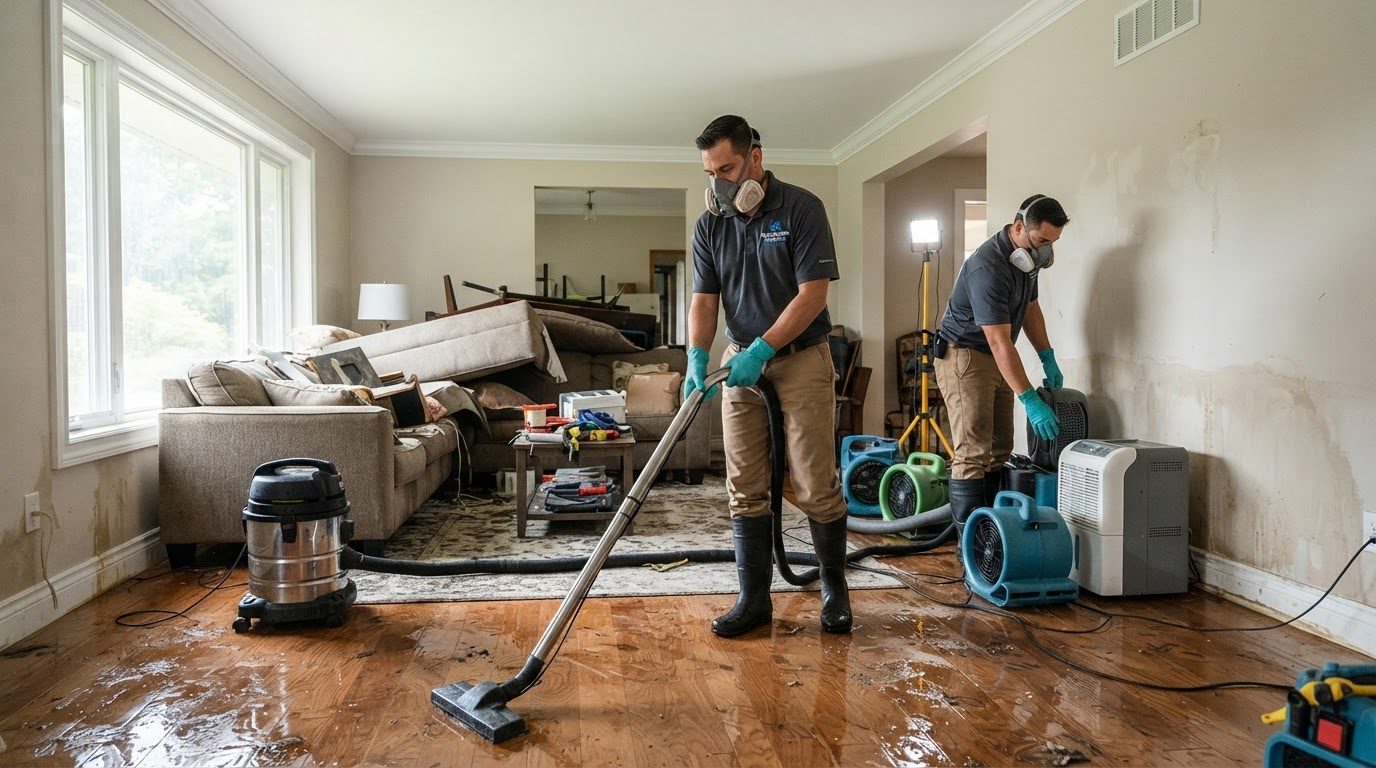
Overflowing toilets, sewage backup, or rapidly rising wastewater require urgent action. Stop using connected fixtures, keep people and pets away from contaminated water, and call for emergency service.
Drain Cleaning for Common Household Clogs
The fixture and symptom provide useful diagnostic clues:
- Kitchen sinks: Grease, oil, food particles, coffee grounds, and garbage-disposal residue can adhere to pipe walls. A sink that drains slowly after cooking activity often has buildup in the trap or nearby branch line.
- Bathroom sinks and tubs: Hair, soap scum, toothpaste residue, and mineral deposits commonly collect around the stopper, P-trap, or overflow passage.
- Shower drains: Hair and body-care products can form a dense mat near the drain opening. If the shower backs up only after several minutes, the obstruction may be farther into the branch line.
- Toilets: Excess paper, unsuitable items, or an object lodged in the trap can cause an isolated blockage. Gurgling or backup in multiple fixtures suggests a larger sewer issue.
- Laundry drains: High-volume discharge can expose a partial obstruction that ordinary faucet flow does not reveal.
- Floor drains: Standing water may reflect a blocked branch line, a main sewer restriction, or an infrequently used trap that has lost its water seal.
Recurring clogs should not be treated as routine maintenance alone. They can signal interior scale, damaged or offset pipe joints, tree roots, inadequate slope, or buildup beyond the reach of a basic hand auger. In older coastal properties, corrosion, sediment, and changing soil conditions may complicate the diagnosis; a camera inspection can distinguish a removable obstruction from a repair problem.
How Plumbing by Tony Diagnoses and Clears the Blockage
A sound drain-cleaning visit follows a practical sequence rather than relying on guesswork.
1. Review symptoms and history
The technician should ask when the problem began, which fixtures are affected, whether chemical cleaner was used, and whether prior cleaning provided only temporary relief. Running water at nearby fixtures can help reveal shared-line behavior.
2. Inspect accessible plumbing
The technician may examine the drain opening, trap, cleanout, shutoff area, and signs of leakage or water damage. The goal is to identify a safe access point and avoid unnecessary disassembly.
3. Select the appropriate method
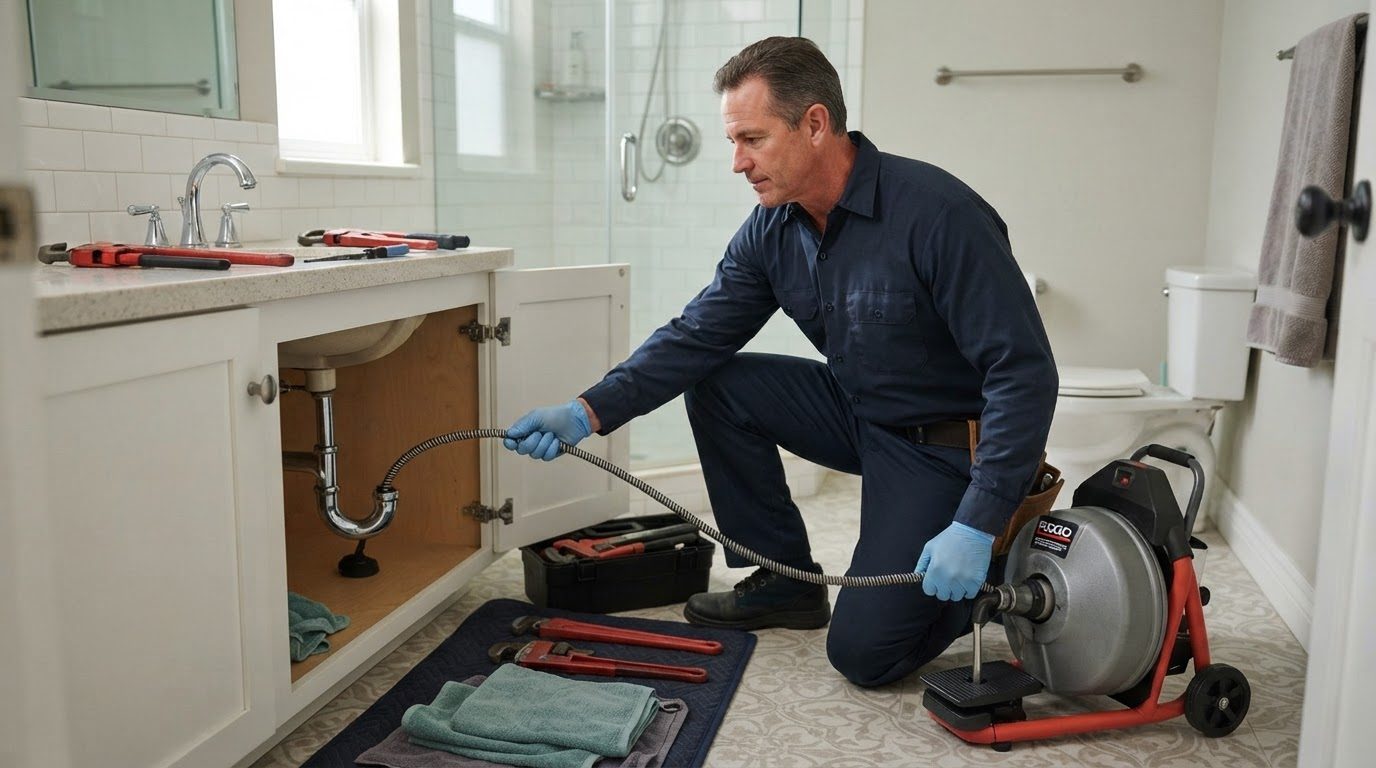
Professional snaking, using a drain cable or auger, is effective for many localized obstructions such as hair, soft debris, and paper. It can restore flow quickly, but it may only create a path through heavy wall buildup.
Hydro jetting uses pressurized water to scour grease, scale, and sludge from the interior pipe walls. It is often preferable for stubborn or recurring buildup, but the technician should consider pipe material, age, structural integrity, and access before using high-pressure equipment.
The decision depends on clog location, severity, pipe condition, and previous service history. A fragile or damaged line may require a different approach than a sound pipe with hardened grease.
4. Test and verify
After cleaning, the technician should run water through the affected fixture and, where appropriate, test connected fixtures under a realistic flow. The visit should also identify leaks, damaged fittings, or drainage behavior that remains abnormal.
5. Investigate repeat or widespread problems
A sewer camera inspection is especially useful when multiple drains back up, roots are suspected, or snaking provides only short-lived relief. A camera can show root intrusion, cracks, offsets, corrosion, standing water, or collapse. Cleaning may restore flow, but structural defects require repair or replacement planning.
Emergency Drain Cleaning and Recurring Clog Prevention
Plumbing by Tony states that it offers 24/7 emergency drain cleaning in Huntington Beach and surrounding areas. Response time depends on technician availability, traffic, severity, and location, so callers should describe the exact symptoms and any active overflow.
Until help arrives:
- Stop using sinks, toilets, tubs, showers, and appliances connected to the affected line.
- Do not mix chemical cleaners or repeatedly pour them into the drain.
- Shut off the fixture supply valve, or the home’s main water supply if an overflow cannot be controlled.
- Keep electrical equipment away from standing water and treat sewage as contaminated.
Prevention is specific to each fixture:
- Keep grease, oil, coffee grounds, and food scraps out of kitchen drains.
- Use removable hair strainers in showers and tubs.
- Do not flush wipes, paper towels, feminine products, diapers, or other unsuitable materials.
- Avoid forcing hard objects or excessive paper into toilets.
- Have recurring slow drainage evaluated instead of repeatedly masking it.
The service page recommends professional cleaning every one to two years. That is a general maintenance consideration, not a universal schedule. A household’s usage, pipe age, tree exposure, and history of clogs should determine the interval.
What to Expect From a Local Drain Cleaning Visit
A quality visit should clearly explain the suspected cause, proposed method, expected result, and condition of the accessible plumbing. Homeowners should receive an opportunity to ask whether the price covers basic clearing, hydro jetting, camera inspection, or additional repairs. Typical U.S. costs vary substantially by access and severity: a straightforward fixture clearing may run about $150–$400, while hydro jetting can range from roughly $500–$1,500 or more. Camera inspections, emergency timing, difficult access, and repair work may add to the total. Local quotes are more reliable than national averages.
Common questions
Can a plumber clean any household drain?
Most residential fixtures—including sinks, tubs, showers, toilets, laundry drains, and floor drains—can be serviced. The method must match the pipe size, material, access, and obstruction.
When is hydro jetting preferable to snaking?
Jetting is generally better for extensive grease, mineral scale, and wall buildup in structurally sound piping. Snaking is often more appropriate for a localized blockage or a line that should not receive high pressure until its condition is confirmed.
How quickly can emergency service respond?
A 24/7 offering means calls can be accepted at any time, but arrival depends on dispatch conditions, traffic, workload, and the severity of the backup. Ask for an estimated arrival window.
What happens if the clog returns?
The provider should reassess the line rather than repeatedly perform the same clearing. A camera inspection may reveal roots, a belly, pipe damage, or buildup that requires jetting.
When does a drain problem require repair instead of cleaning?
Cracks, collapse, severe offsets, persistent root intrusion, leaking joints, or inadequate grade are structural issues. Cleaning may provide temporary flow, but durable correction requires repair or replacement.
In California, licensed plumbing work and local permitting requirements may apply when drain service expands into sewer-line repair, excavation, or replacement. Ask what work is included, what requires authorization, and how the condition was confirmed before approving additional work.