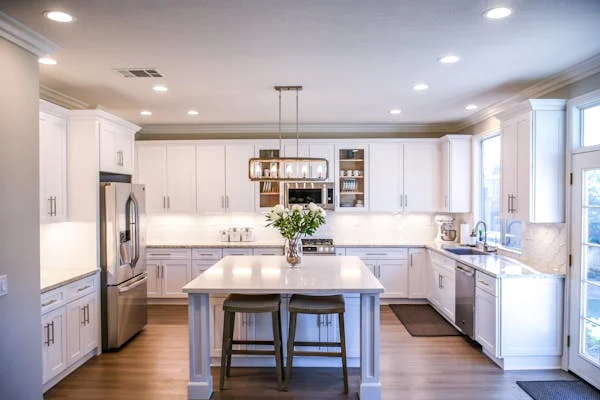
The kitchen is often considered the heart of the home—a space where culinary creativity unfolds and family connections deepen. With so much time spent here, it’s essential that the environment feels inviting and inspiring. One of the most impactful ways to set the mood and express your style in this crucial space is through color. In this guide, we’ll explore how to choose the perfect color palette for your kitchen, ensuring it’s a reflection of your personality and meets your practical needs.
Choosing a color for your kitchen is a significant decision that can transform your space and enhance your cooking experience. By understanding color theory, assessing your space, and thoughtfully selecting your palette, you can create a kitchen that not only looks beautiful but feels just right for you.
Understanding the Basics of Color Theory
Before diving into the specifics of color selection, it’s helpful to grasp some fundamental principles of color theory. Colors can evoke emotions and influence the perception of space. Here’s a brief overview of how different colors typically affect mood:
- Warm Colors (Red, Orange, Yellow): These colors create a sense of warmth and energy. They can stimulate appetite and conversation, making them great for a lively kitchen atmosphere.
- Cool Colors (Blue, Green, Purple): These hues promote calmness and tranquility. They can create a serene environment, which is ideal if you prefer a more relaxed cooking experience.
- Neutral Colors (White, Gray, Beige): Neutrals provide a clean slate and allow for versatility. They can make a space feel larger and more open, serving as a backdrop for bolder accent colors.
Understanding these basics can help you choose colors that not only suit your aesthetic but also create the atmosphere you desire.
Assessing Your Space
Once you have a basic understanding of color theory, the next step is to assess your kitchen space. Consider the following factors:
1. Lighting
Natural and artificial light plays a significant role in how colors appear. A kitchen filled with natural light can handle bolder shades, while darker spaces may benefit from lighter colors that reflect light. Test paint samples on your walls to see how they look at different times of day.
2. Size and Layout
The size and layout of your kitchen will also influence your color choice. Smaller kitchens often benefit from lighter colors to create an illusion of space. Conversely, larger kitchens can handle darker shades that add depth and intimacy.
3. Existing Elements
Take note of existing elements such as cabinetry, countertops, and appliances. These fixed features can serve as a foundation for your color scheme. For example, if you have warm wooden cabinets, you might want to choose colors that complement or contrast nicely with that warmth.
Choosing Your Color Palette
Once you’ve assessed your space, it’s time to choose a color palette. Here are some strategies to guide your selection:
1. Create a Focal Point
Consider making one element of your kitchen the focal point. This could be a bold backsplash, an island, or even a statement appliance. Choose a color that draws attention and then build your palette around it. For example, if you opt for a vibrant blue island, consider using softer shades of gray or white for the surrounding walls to create balance.
2. Use the 60-30-10 Rule
A popular interior design guideline is the 60-30-10 rule. This principle suggests that you use:
- 60% of a dominant color (usually the walls or cabinets)
- 30% of a secondary color (like countertops or flooring)
- 10% of an accent color (such as accessories or decor)
This rule helps create a balanced and cohesive look without overwhelming the space.
3. Consider the Mood You Want to Create
Think about the atmosphere you want to foster in your kitchen. If you want a lively and energetic space, consider warm colors like reds and yellows. For a more calming environment, opt for cool blues and greens. You can even combine colors to create a dynamic atmosphere, using warm tones in areas where you want energy and cool tones in more relaxed spots.
Testing Your Colors
Once you have a shortlist of colors, it’s crucial to test them in your space. Paint samples on poster boards and place them around your kitchen. Observe them in different lighting conditions throughout the day. This step ensures that the colors you choose look great in all scenarios, helping you avoid any unexpected surprises once the paint is on the walls.
Getting Inspired
If you’re feeling stuck, don’t hesitate to seek inspiration from various sources:
- Magazines and Blogs: Home décor magazines and blogs are filled with beautiful kitchen designs. Create a mood board with colors and styles that resonate with you.
- Social Media: Platforms like Pinterest and Instagram offer endless ideas. Search for hashtags like #kitcheninspiration or #colorpalette for a flood of creative options.
- Showrooms: Visiting kitchen showrooms can provide a real-world look at how different colors work together. You can see finishes, textures, and how colors interact in a space.
Featured Image Source: https://images.pexels.com/photos/2724749/pexels-photo-2724749.jpeg?auto=compress&cs=tinysrgb&w=600