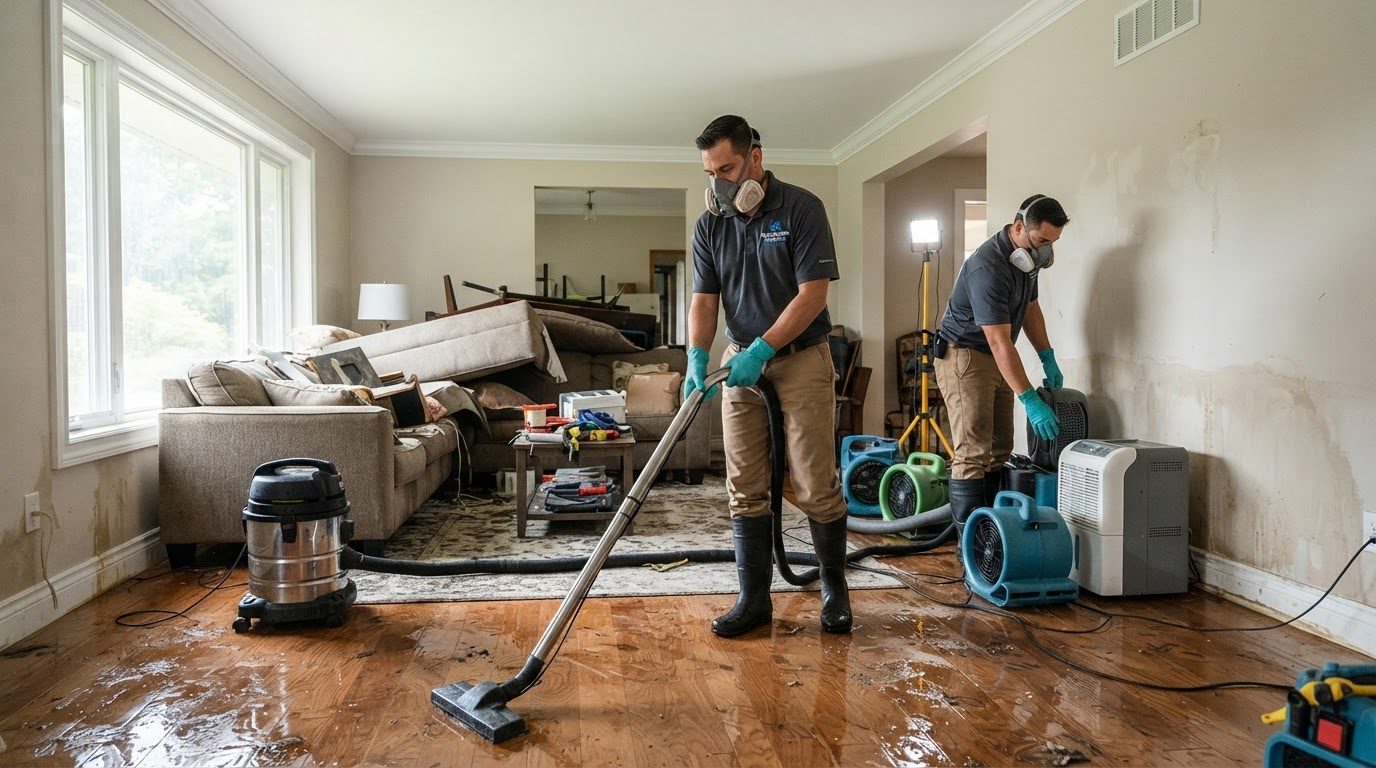
A flooded property can deteriorate before the water appears to be a major problem. Within minutes, flooring can swell, drywall can wick moisture upward, and water can move beneath cabinets or into wall cavities. The safest response combines immediate hazard control with organized documentation and professional drying.
The term Emergency Flood Restoration generally describes rapid water extraction, damage assessment, structural drying, cleaning, and, when necessary, removal of materials that cannot be safely salvaged. The correct response depends on whether the water came from a broken supply line, storm flooding, sewage, or another contaminated source.
Homeowners seeking local guidance may contact Restoration Logistics Lafayette while also notifying their insurer and utility providers. Until the property is declared safe, preventing injury matters more than protecting furniture or beginning cleanup.
The First Minutes of a Flood Emergency
Water damage is time-sensitive. Porous flooring, wood trim, insulation, drywall, and upholstered contents absorb water rapidly. Moisture may also migrate beneath flooring and into framing, where it is difficult to see and can support microbial growth.
Follow these priorities:
- Evacuate unsafe areas and keep children and pets away from standing water.
- Do not enter water that may be electrically charged. If the electrical panel is in a dry, accessible location, shut off affected circuits; otherwise, call the utility or a qualified electrician.
- Treat sewage, fuel, chemicals, and stormwater as contaminated. Do not walk through them without appropriate training and protective equipment.
- If an indoor plumbing failure caused the loss, shut off the fixture valve or main water supply only when it can be reached safely.
- Call emergency services for fire, structural instability, downed power lines, or immediate threats to life.
- Photograph and video conditions before moving items, but only when documenting does not expose you to danger.
Avoid using household appliances, extension cords, or ordinary fans in wet areas. A restoration technician can determine whether power, HVAC equipment, and structural components are safe to operate.
Identifying the Type and Extent of Flood Damage
The water source determines the cleanup method, personal protective equipment, disposal requirements, and possible insurance treatment.
- Category 1 water: A clean supply-line break or overflowing sink may initially pose limited biological risk, although it can become contaminated if it remains stagnant.
- Category 2 water: An appliance discharge, sump failure, or some toilet overflows may contain elevated contamination and require controlled removal.
- Category 3 water: Sewage, river water, coastal or storm flooding, and water containing chemicals can carry pathogens or hazardous substances. Porous materials commonly require disposal.
Insurance terminology also matters. External water from rain, rivers, or rising surface water may be treated as flood damage under a flood policy, while a burst interior pipe may fall under a homeowners policy. Coverage depends on the policy, exclusions, deductibles, maintenance issues, and documentation.
Inspection should extend beyond visible puddles. Technicians commonly assess:
- Basements, crawl spaces, subfloors, and floor assemblies.
- Wall cavities, insulation, baseboards, and cabinetry.
- HVAC components, ducts, electrical equipment, and mechanical rooms.
- Stored belongings, mattresses, upholstered furniture, and paper goods.
- Areas behind appliances and beneath flooring.
In Lafayette and throughout south Louisiana, heavy rainfall, tropical weather, high humidity, and low-lying properties can complicate basement, crawl-space, and drainage problems. Local conditions may also prolong drying, making humidity control particularly important.
What Professional Emergency Flood Restoration Involves
A competent restoration response follows a documented workflow rather than simply placing fans in a room.
1. Inspection and moisture mapping
Technicians identify the source, affected materials, water category, and likely migration path. Moisture meters, thermal imaging, hygrometers, and penetrating probes can help locate wet areas behind walls or beneath flooring. They record readings and establish drying goals based on unaffected portions of the structure.
2. Water extraction
Submersible pumps handle high-volume standing water. Truck-mounted or commercial extractors remove residual water from carpets and hard surfaces. Rapid extraction reduces exposure time and limits secondary damage.
3. Structural drying
Air movers increase evaporation while dehumidifiers remove moisture from the air. In some situations, technicians use low-grain refrigerant or desiccant dehumidification, containment, or controlled cavity drying. Equipment placement should be based on moisture readings, not room size alone.
Monitoring is essential. Technicians typically revisit the property, record moisture and humidity readings, adjust equipment, and verify that framing, subfloors, and other assemblies have reached acceptable dry standards.
4. Material removal and cleaning
Wet drywall, insulation, laminate, carpet pad, swollen flooring, and porous contents may be unsalvageable—particularly after sewage or stormwater exposure. Removal should be deliberate and controlled to avoid spreading contamination.
After extraction and demolition, crews clean and sanitize affected surfaces, address odors, and use antimicrobial products where appropriate. Antimicrobials are not a substitute for removing contaminated material or correcting moisture.
5. Contents restoration
Recoverable belongings may be inventoried, photographed, packed out, cleaned, dried, and stored securely. This process protects contents from ongoing exposure and creates a clearer insurance record.
6. Reconstruction
Mitigation and reconstruction are separate phases. Once the property is dry and damaged materials are identified, repairs may include drywall replacement, flooring, cabinetry, painting, electrical work, or structural repairs. A qualified contractor should handle work requiring permits or specialized trade licensing.
Look for technicians trained through recognized organizations such as the Institute of Inspection Cleaning and Restoration Certification (IICRC), and confirm that electrical, HVAC, plumbing, and reconstruction work is performed by appropriately licensed professionals.
Mold, Health Risks, and When DIY Cleanup Is Unsafe
Mold can begin developing within roughly 24–48 hours when moisture, warmth, and an organic food source are present. That does not mean every wet surface will mold on a fixed schedule, but delaying assessment increases the risk.
Floodwater may expose occupants to bacteria, sewage, chemicals, sharp debris, unstable drywall, and electrical hazards. People with asthma, allergies, compromised immune systems, or other health concerns may be especially vulnerable.
Fans alone are often inadequate. They may dry exposed surfaces while leaving wall cavities, subfloors, insulation, or cabinets wet. Without moisture meters and humidity monitoring, a room can feel dry while concealed materials remain damaged.
Professional assistance is strongly indicated for:
- Sewage, stormwater, chemical, or unknown-source contamination.
- Extensive standing water or basement flooding.
- Wet electrical systems, HVAC equipment, or structural components.
- Hidden moisture beneath flooring or inside walls.
- Large areas of mold or materials requiring controlled demolition.
A homeowner may move undamaged belongings from a confirmed safe area, document conditions, and remove small amounts of clean water with appropriate equipment. Do not handle contaminated materials without proper respiratory, skin, and eye protection, and never sacrifice personal safety to save contents.
Insurance, Costs, and the Recovery Timeline
Restoration costs vary significantly by water volume, contamination, affected square footage, demolition requirements, contents, access, and reconstruction scope. Broad U.S. planning ranges often include:
- Minor clean-water extraction and drying: approximately $1,000–$4,000.
- Moderate room or basement mitigation: approximately $3,000–$10,000 or more.
- Extensive contamination, structural drying, contents handling, and reconstruction: $10,000–$30,000+, with major floods potentially exceeding that range.
These are not quotes. Emergency mitigation, repairs, and full reconstruction should appear as distinct cost categories.
Notify the insurer promptly, ask what emergency work is authorized, and retain:
- Photos and videos taken before cleanup.
- Damaged-item inventories and receipts.
- Technician reports, moisture readings, equipment logs, and invoices.
- Records of removed materials and disposal.
- Hotel, temporary housing, or emergency supply receipts when applicable.
A typical timeline begins with extraction on the first day, followed by several days of monitored drying. Demolition, cleaning, and contents work may overlap. Reconstruction begins after moisture targets are achieved and the scope is approved; complex projects can take weeks or longer.
Common questions
Does insurance pay for water restoration?
Often, but not always. Coverage depends on the source of water, policy language, flood insurance, exclusions, deductibles, and whether the damage resulted from a covered sudden event.
How much can flood damage repair cost?
Small losses may cost a few thousand dollars, while contaminated basement flooding or extensive reconstruction can reach tens of thousands. Inspection is necessary for a reliable estimate.
Can a homeowner complete cleanup independently?
Limited cleanup may be reasonable for a small, clean-water loss in a safe area. Sewage, stormwater, electrical exposure, hidden moisture, and extensive damage warrant professional restoration.
How quickly can mold form after a flood?
Under favorable conditions, mold growth may begin within 24–48 hours. Prompt extraction, dehumidification, and verification of dry materials reduce the risk.