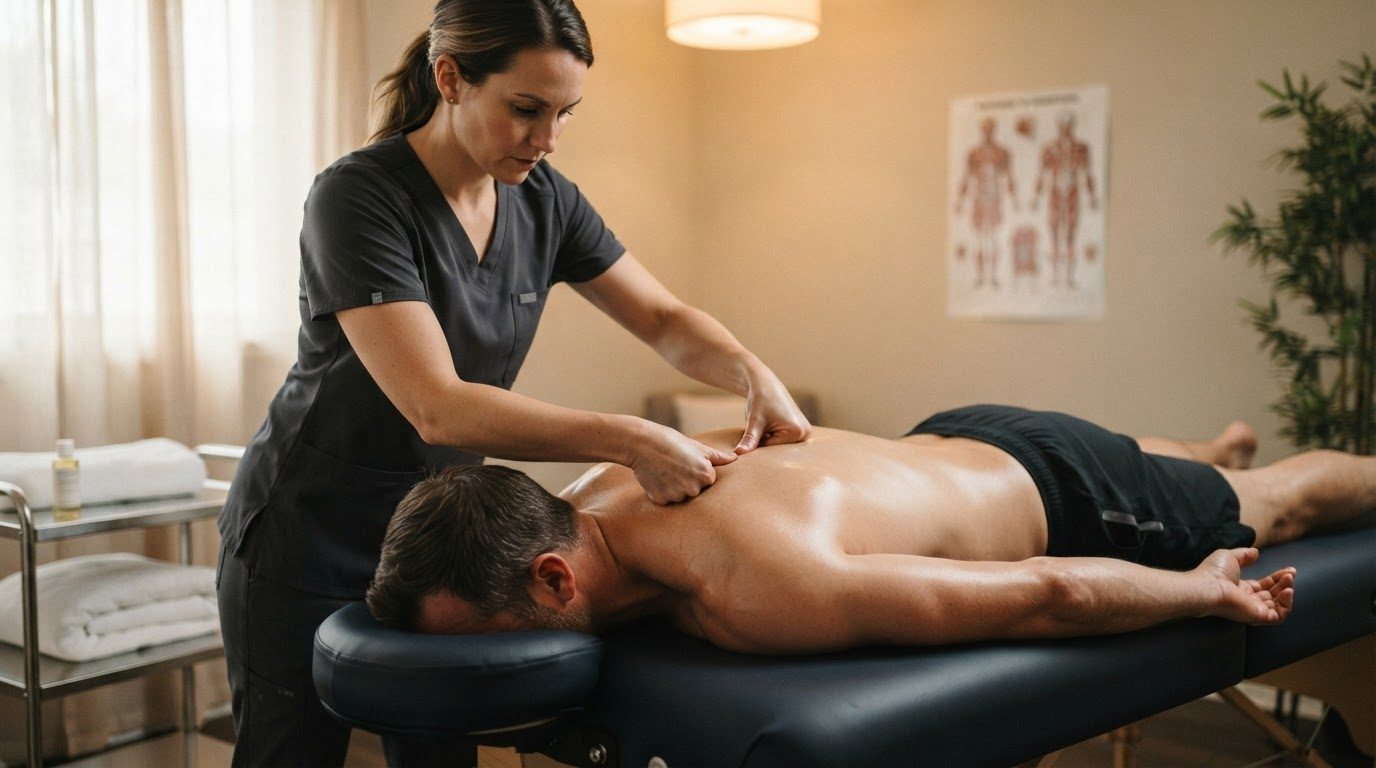
Many people associate massage therapy primarily with spa treatments and general stress relief. While relaxation is undoubtedly a beneficial outcome, modern massage therapy encompasses a much broader range of applications, often serving as a key component in addressing specific physical discomforts and improving functional movement. It’s a hands-on approach that manipulates the body’s soft tissues—muscles, tendons, ligaments, and fascia—to achieve therapeutic goals.
The increasing recognition of massage therapy’s role in health and wellness has led to a wider array of specialized techniques. Whether seeking relief from chronic pain, recovering from an injury, or aiming to enhance athletic performance, understanding the different modalities and their targeted benefits is crucial. For those in the Lombard, IL area looking for specialized care, Massage therapy can be a valuable part of a comprehensive health strategy.
When tightness and discomfort persist, it often signals an underlying issue that goes beyond simple muscle fatigue. Posture, past injuries, daily stress, and even stiff joints can alter movement patterns, causing certain muscles to overcompensate while others become underutilized. This imbalance can lead to persistent knots, limited range of motion, and a recurring cycle of pain. At True Health Chiropractic and Acupuncture, the approach to massage therapy is designed to identify and address these root causes, integrating with other therapies to support lasting change and improved physical function.
The Persistent Cycle of Muscle Tightness
The sensation of tightness returning, even after a massage, is a common frustration. This isn’t usually due to random muscle behavior but rather a systemic response to various factors. Understanding these contributing elements is the first step toward breaking the cycle.
- Postural Imbalances: Prolonged sitting, standing, or repetitive movements can create habitual postures that strain certain muscle groups while weakening others. This imbalance leads to chronic tension in overworked areas.
- Past Injuries: Even seemingly minor injuries can alter movement mechanics. The body compensates to protect the injured area, leading to new patterns of stress and tightness in other parts of the body.
- Daily Stress: Psychological stress manifests physically, often causing muscles to tense up. Chronic stress can lead to sustained muscle contraction, reducing blood flow and contributing to knots and pain.
- Joint Stiffness: When joints lack full mobility, the surrounding muscles must work harder to achieve movement. This increased workload can lead to muscle fatigue, tightness, and pain.
These factors can cause a cascade effect: some muscles become hyperactive, trying to pick up the slack for underperforming counterparts. This creates a vicious cycle where tension builds, motion becomes restricted, and pain becomes a regular occurrence. A quick, superficial massage might offer temporary relief, but without addressing the underlying biomechanical or lifestyle contributors, the tightness is likely to return.
Targeted Techniques for Specific Needs
Unlike general relaxation massages, targeted massage therapy focuses on specific areas of concern and employs techniques designed to address particular conditions. This specialized approach aims to improve function, reduce pain, and support the body’s natural healing processes.
Deep Tissue Massage
Deep tissue massage goes beyond the superficial layers of muscle to target deeper connective tissues. It uses slow, deliberate strokes and sustained pressure to release chronic muscle tension and break down adhesions (knots). This technique is particularly effective for:
- Chronic pain conditions
- Muscle damage from injuries
- Stiffness in the neck, shoulders, and lower back
- Sciatica and piriformis syndrome
While it can sometimes be intense, the goal is to alleviate long-standing patterns of tension and improve mobility.
Sports Massage
Developed with athletes in mind, sports massage is a versatile modality used both before, during, and after physical activity. It incorporates a variety of techniques to prepare muscles for exertion, aid in recovery, and prevent injuries.
- Pre-event massage: Stimulates circulation and warms muscles, preparing them for activity.
- Post-event massage: Helps flush out metabolic waste, reduces muscle soreness, and promotes faster recovery.
- Maintenance massage: Addresses muscle imbalances, improves flexibility, and helps prevent future injuries.
Sports massage is not exclusive to professional athletes; anyone engaging in regular physical activity can benefit from its targeted approach to muscle health and performance.
Myofascial Release
Myofascial release focuses on the fascia, a connective tissue web that surrounds muscles, bones, and organs throughout the body. When fascia becomes tight or restricted due to injury, inflammation, or trauma, it can create significant pain and limit movement. Myofascial release involves applying gentle, sustained pressure to these restricted areas to stretch and lengthen the fascia, restoring its elasticity and reducing tension. This technique is often used for:
- Chronic pain syndromes
- Headaches and migraines
- Limited range of motion
- Postural issues
The goal is to release the “straightjacket” effect of tight fascia, allowing muscles to function more freely.
Prenatal Massage
Pregnancy brings significant changes to a woman’s body, often leading to discomforts such as back pain, hip stiffness, and swelling. Prenatal massage is specifically adapted to the needs of expectant mothers, using gentle techniques and specialized positioning to ensure comfort and safety.
- Reduces stress and anxiety: Promotes relaxation and well-being.
- Decreases swelling: Improves circulation and lymphatic drainage.
- Relieves muscle and joint pain: Addresses common aches in the back, hips, and legs.
This specialized massage can be particularly beneficial during a time when many other medical options may be limited.
Who Benefits from Targeted Massage Therapy?
Targeted massage therapy is suitable for a wide range of individuals seeking more than just temporary relief. It’s particularly beneficial for those who:
- Experience recurring muscle tightness or pain: Individuals whose discomfort returns despite stretching or general relaxation techniques.
- Are active and want to maintain performance: Athletes or active individuals looking for faster recovery, injury prevention, and enhanced mobility.
- Seek non-pharmacological pain management: Those who prefer to avoid medications for chronic pain conditions.
- Have specific musculoskeletal issues: People with hip stiffness, rotator cuff irritation, posture-related discomfort, or limited mobility.
- Are looking for a holistic approach to health: Individuals who understand that bodywork can be an integral part of a larger wellness plan, working in conjunction with other therapies.
This approach is designed for people who want to stay active and engaged in their lives without being slowed down by physical limitations. It aims to provide a body that can keep up with work, workouts, travel, and family demands, with fewer flare-ups and a quicker recovery time.
Frequently Asked Questions About Specialized Massage
How is massage therapy at a chiropractic clinic different from a regular spa?
At True Health, massage isn’t just about relaxation. Our therapists work alongside chiropractors and acupuncturists to treat the root cause of your pain. We focus on muscle function, joint mobility, and recovery — not just making you feel good for an hour.
What is the duration of a massage therapy session?
Most sessions run about 60 minutes. If you have a specific injury or need more focused work, we can adjust the time. Your therapist will recommend what makes sense after your first visit.
How often should I get massage therapy?
It depends on what’s going on. For acute pain or injuries, once a week is common to start. For maintenance and prevention, every 2 to 4 weeks works well for most people. We’ll give you a clear schedule based on your goals.